
Expressive Impressions
Expressive Impressions is a category in the adult division that may need a little extra explanation. It's where nature photography meets artistic interpretation
Expressive Impressions is an adult-only category created for photographers who want to move beyond a literal representation of nature and use photography as a starting point for artistic expression.
The subject should still be rooted in the natural world, but the finished image does not have to look exactly as it did when it was photographed. Color, shape, form, movement, texture, and even the structure of the image may be changed to communicate the photographer's personal impression of the subject.
In this category, creativity is encouraged.
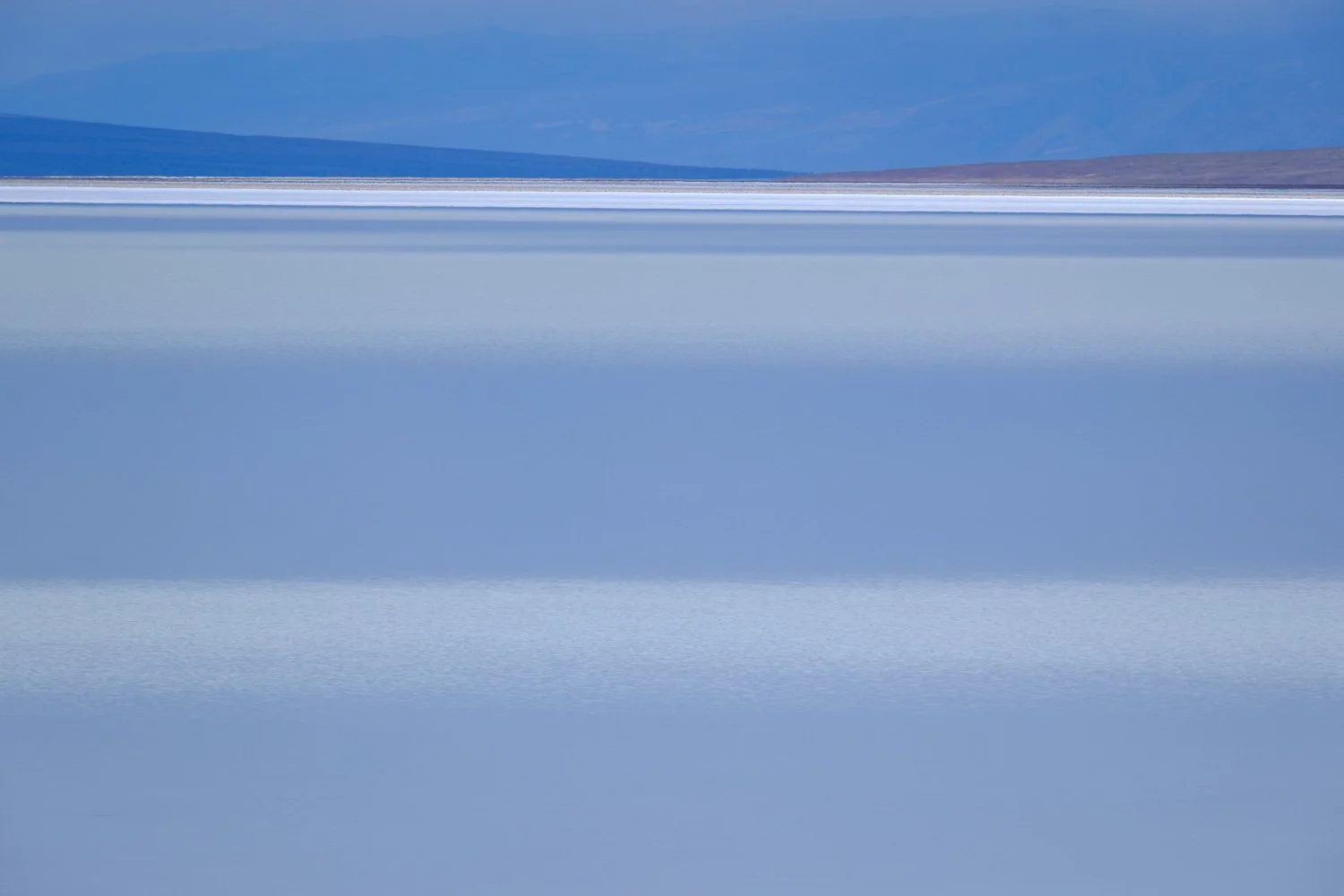
2026 Adult Advanced Expressive Impressions 2nd Place
©Randall Dunn
What kinds of images belong here?
Expressive Impressions may include techniques such as:
Intentional camera movement or creative motion blur
Multiple exposures created in-camera or during post-processing
Creative use of shallow focus or selective blur
Unusual or dramatically altered color
Abstract interpretations of natural subjects
Combining multiple photographs into a composite
Layering photographs, textures, or other photographic elements
Mirroring, repeating, stretching, distorting, or otherwise transforming photographic elements
Digital techniques that substantially alter the appearance of the original photograph
Macro or extreme close-up images in which patterns, lines, textures, shapes, or forms become the primary visual subject
These are only examples. The category is intentionally broad to give photographers room to experiment.
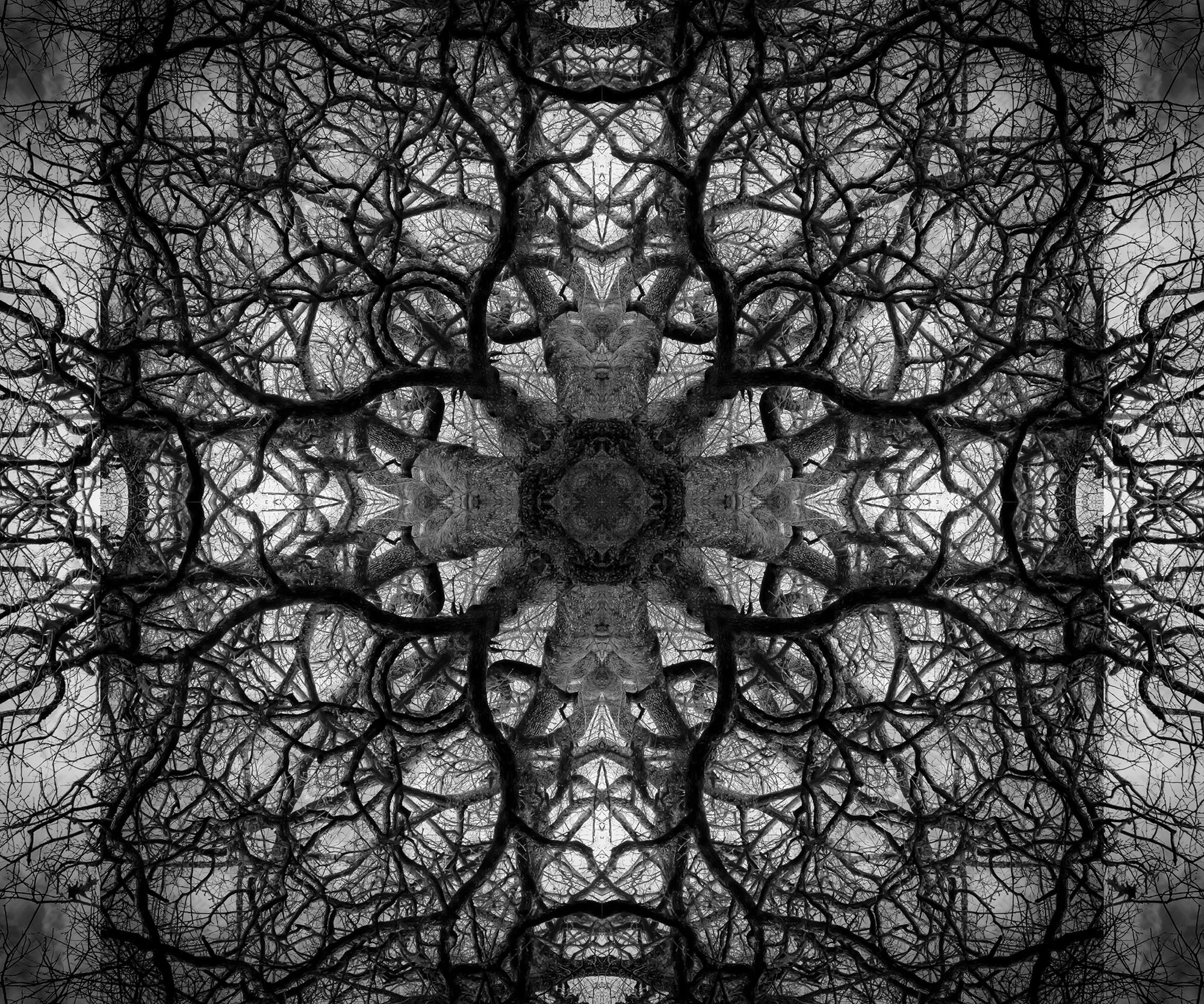
Expressive Impressions - 2022
©Melissa Mitchell
The photograph is the starting point
Although considerable manipulation is permitted, Expressive Impressions is still a photography category. The visual content of the finished image should originate from photographs made by the photographer.
Photographers may combine, layer, distort, recolor, blur, repeat, transform, or otherwise creatively manipulate their own photographic material. Composites are permitted, provided the photographic elements used to create the image were photographed by the entrant.
Photographer-created content vs. AI-created content
Digital editing tools, including tools that use artificial intelligence to assist with editing, do not automatically make an image ineligible. The important distinction is whether the photographer created the visual content or whether generative AI created it.
AI-assisted tools may be used for editing functions permitted under the contest rules, such as making selections, masking, noise reduction, sharpening, or other adjustments to the photographer's own photographic material.
However, generative AI may not be used to create significant visual content that was not photographed by the entrant. This includes generating or adding subjects, animals, plants, skies, backgrounds, textures, scenery, or other pictorial elements through a text prompt or similar generative process.
For example:
Combining several photographs you made yourself into a new artistic composition is permitted.
Dramatically altering the color, shape, texture, or arrangement of your own photographs is permitted.
Using AI to generate a new flower, bird, landscape, background, or other visual element and adding it to the image is not permitted.
Creating an image primarily or entirely from an AI text prompt is not permitted.
The photographer may transform the photograph extensively, but the visual building blocks of the finished artwork should come from the photographer's own camera.
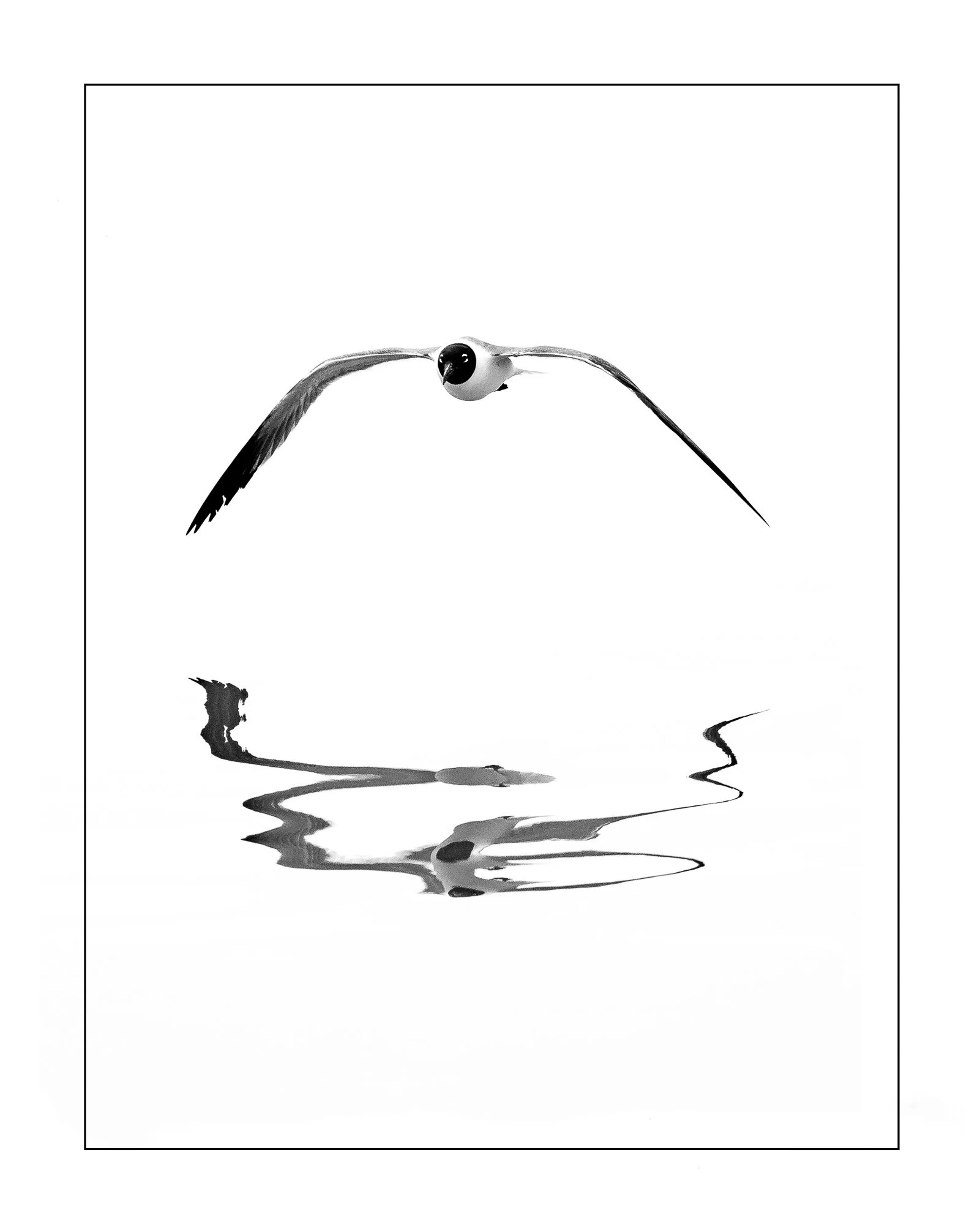
Expressive Impressions - 2022
©Michael Sweatt
Nature should still be at the heart of the image
The subject may be transformed, abstracted, or interpreted, but the connection to nature should remain apparent.
Flowers, plants, animals, birds, insects, landscapes, water, rocks, trees, natural patterns, and other elements of the natural world can all provide the foundation for an Expressive Impressions image.
The goal is not necessarily to document what the subject looked like, but rather to communicate what the photographer saw, felt, or imagined when experiencing it.
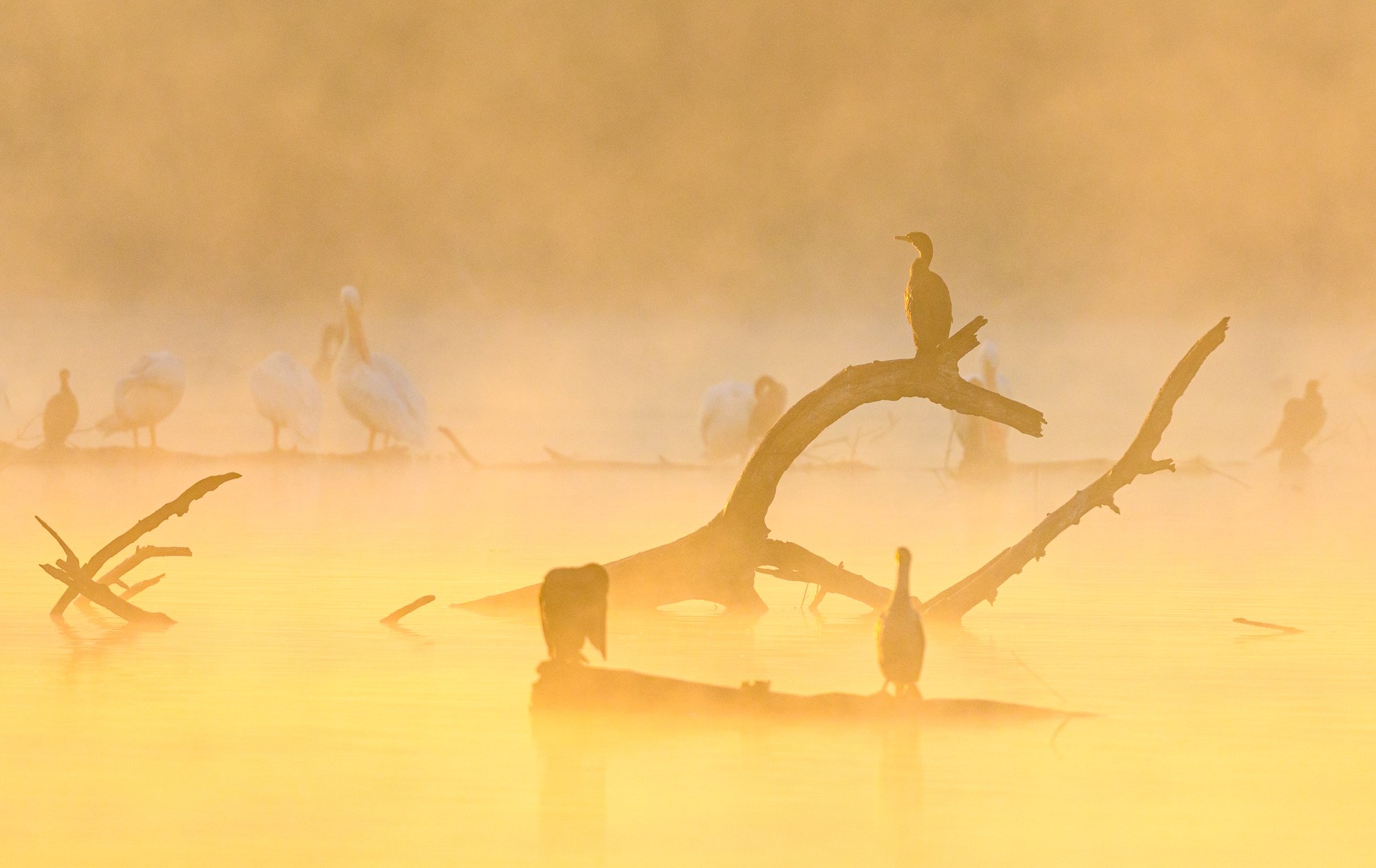
Expressive Impressions - 2022
©Alan Daniel
How is it judged?
There is no advantage to an image simply because it uses more complicated processing.
Judges should consider the effectiveness of the finished image—its visual impact, composition, creativity, technique, and ability to communicate the photographer's artistic vision. The amount of manipulation is not the point. The artistic result is.
A simple way to think about the category
If your image is intended primarily to show a nature subject as it actually appeared, it will probably fit better in one of the traditional nature categories.
If you have intentionally transformed that photograph to create something more interpretive, abstract, impressionistic, or imaginative, Expressive Impressions may be exactly where it belongs.